Vaccinations for Pets Prairieville Animal Hospital: Humane and Safe Practices
Vaccinations are a cornerstone of preventive care at Prairieville Animal Hospital. They protect pets from serious illnesses, reduce the spread of disease within the community, and provide a framework for a longer, healthier life for animals we care about. The practical reality is that vaccines are not one size fits all. They sit at the intersection of science, patient history, lifestyle, and the realities of a busy family schedule. The goal here is to lay out how Prairieville Animal Hospital approaches vaccinations in a humane, safe, and transparent way, with a clear view of what to expect during visits, how schedules are determined, and how vaccines fit into overall pet wellness.
From the moment you walk through the door at Prairieville Animal Hospital, vaccines are treated as a vital medical intervention rather than a routine chore. The team understands that fear and stress around veterinary visits are real for many pets, and they build vaccination plans with that in mind. A calm environment, careful handling, and patient observation after immunizations are standard practice. The result is a process that minimizes discomfort while maximizing protection.
The science behind vaccines can seem dense at first glance. Yet the practical upshot is straightforward: vaccines train the immune system to recognize specific pathogens and mount a fast, targeted response if exposure occurs. In veterinary medicine, this reduces disease severity and often prevents infection altogether. The real benefit emerges when vaccination is paired with responsible husbandry, parasite control, dental care, and routine wellness exams. A complete picture emerges only when vaccines are part of a broader strategy to preserve health over the long term.
Core vaccines form the backbone of a preventive plan. They target diseases with high risk of transmission and serious outcomes. Non core vaccines offer protection based on exposure risk, geography, and lifestyle choices. At Prairieville Animal Hospital, the conversation begins with your pet’s age, health status, and daily life. A thoughtful plan follows, one that aims to balance protection with minimal, appropriate exposure to vaccines. The hospital’s approach is not about chasing universal coverage at the expense of comfort; it is about aligning protection with real-world risk and a compassionate patient journey.
The vaccination schedule is a living thing. It changes as new data emerges, as pets age, and as travel or social circumstances shift. A puppy or kitten’s first shots look very different from a senior dog’s annual boosters. The veterinary team at Prairieville Animal Hospital emphasizes transparent communication. They pet boarding near me explain why a certain vaccine is recommended now, what risks exist if it is delayed, and what the next steps look like. This clarity helps families plan, coordinate, and reduce avoidable stress.
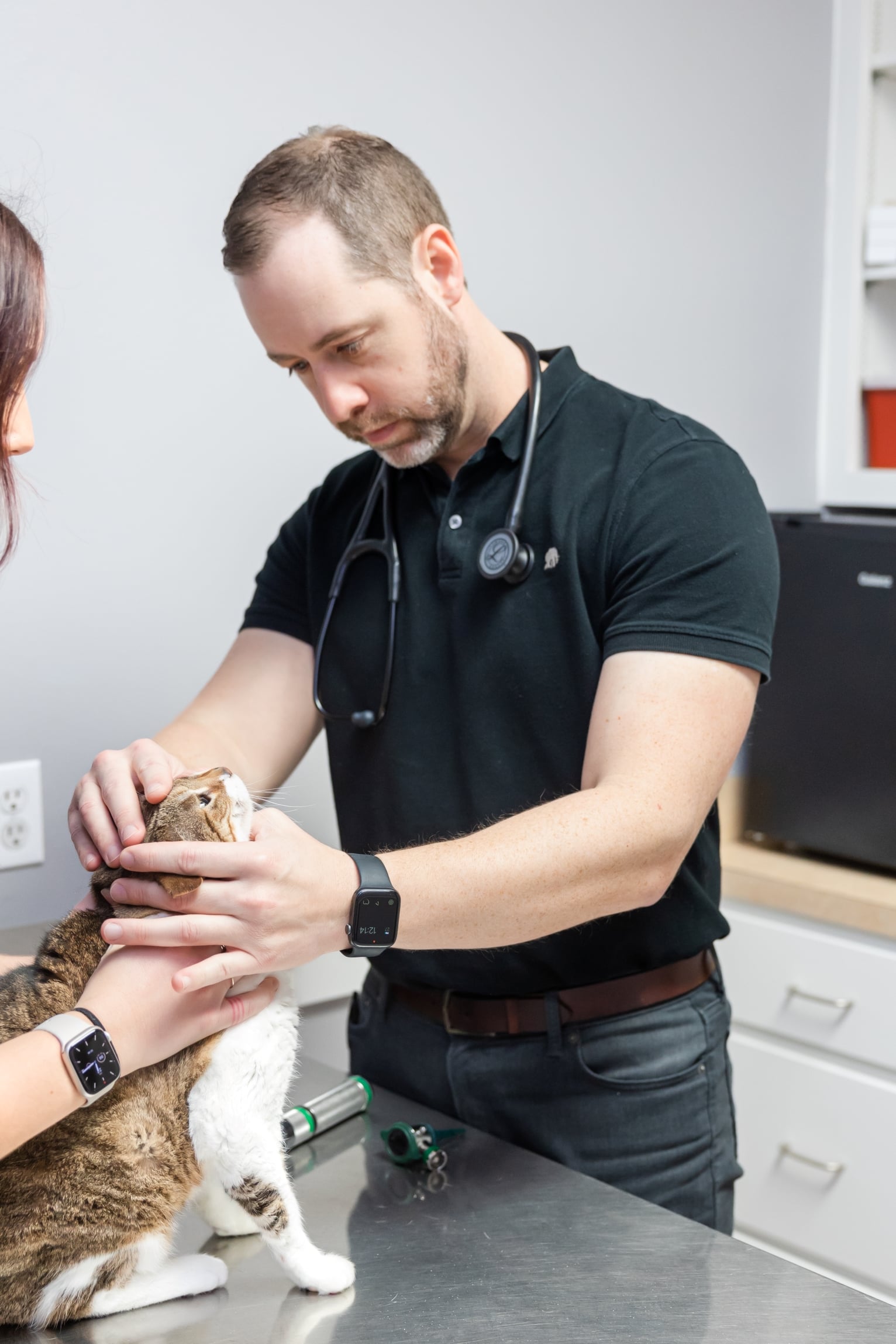
One practical piece often overlooked is the logistics of vaccine delivery. Handling vaccines requires cold-chain management, careful administration techniques, and post vaccination observation. Prairieville Animal Hospital staff are trained to minimize needle anxiety through gentle restraint, distraction with treats or toys, and quick, confident injections. After administration, most pets recover without incident, though some families notice mild soreness at the injection site or a temporary shift in appetite. The team provides clear aftercare instructions and readily answers questions if any unusual signs appear in the hours following a visit.
The ethical dimension of vaccination is integral to Prairieville Animal Hospital’s philosophy. Vaccines are tools to prevent suffering, and that prevention is most effective when it is informed, respectful of animal welfare, and implemented with informed owner consent. This means discussing potential side effects, weighing benefits against risks for each patient, and adjusting plans for animals with preexisting conditions or complex medical histories. The aim is to avoid over vaccination while ensuring maximum protection for each pet.
Core vaccines and disease risk
Core vaccines are recommended for every pet unless a veterinarian determines a specific reason to pause. They address diseases with high morbidity or mortality and those with significant potential for spread in the community. The hospital’s core vaccine guidance considers factors such as pancreatitis risk in cats, the prevalence of rabies, and the transmission dynamics of canine parvovirus. In practice, this translates into a vaccination sequence that starts early, followed by booster intervals that sustain protection over time. The conversation with clients covers not just what is being given, but why it is essential for the pet’s wellbeing and for public health.
Non core vaccines adapt to life in Prairieville and beyond. They are chosen with a precise eye on the pet’s exposure. A dog that spends hours at dog parks, or a cat that frequently travels outside, might benefit from additional protections. The discussion can involve the risks and benefits of each option, including timing and potential side effects. The reality is that not every animal needs every non core vaccine, and the best approach is to tailor the plan to the animal’s unique circumstances.
Choosing the right schedule is not a single moment in time. It is a conversation that evolves with your pet’s growth, health status, and daily routines. The team at Prairieville Animal Hospital keeps records accessible and up to date so families can see what has been given, what comes next, and why. This continuity matters not only for the animal but for the family’s peace of mind. When plans change due to travel, illness, or a busy calendar, the veterinary team reassesses risk and adjusts the schedule accordingly, with no hard feelings and plenty of options for catching up.
The humane and practical approach to vaccinations
A central thread in the practice at Prairieville Animal Hospital is the humane treatment of animals during vaccination. That starts with a calm environment, seen in quiet exam rooms and an emphasis on minimizing stress. It continues with the staff’s careful handling during injection and their readiness to pause if a pet shows signs of distress. Observing pets for a short period after vaccination is standard, ensuring that any adverse reactions are caught early and managed appropriately.
The team also recognizes that vaccines can occasionally cause mild side effects. A common pattern is a brief soreness, slight fever, or reduced appetite for a day or two. These symptoms are typically self-limiting and manageable with routine care. Veterinary staff explain what to watch for and when to seek help. They also discuss the rare possibility of more significant reactions and describe the steps to address them promptly. This transparency helps families feel involved and reassured.
Spay and neuter, dental care, and surgery therapy
A healthy body is not just about vaccines. Prairieville Animal Hospital positions vaccinations within the broader framework of pet wellness. Spay and neuter procedures, surgical and non surgical, play a critical role in disease prevention and health outcomes. Vaccinations are often timed to align with surgical schedules or recovery periods, ensuring that pets are appropriately protected as they undergo anesthesia or other medical procedures. The practice emphasizes preoperative and postoperative care, ensuring that vaccines do not complicate surgical recovery and that the animal remains comfortable throughout.
Dental care is another pillar of comprehensive wellness. While vaccines protect against infectious diseases, dental health affects systemic health more than many realize. Prairieville Animal Hospital weaves dental evaluations into wellness exams, identifying issues such as tartar buildup, gingivitis, or periodontal disease that can influence overall health and quality of life. In this context, vaccines become part of a broader preventive mindset rather than an isolated intervention.
Pet wellness exams Prairieville Animal Hospital
Wellness exams are the platform on which vaccination decisions rest. These visits are more than a routine tick on a calendar; they are a chance to revisit medical history, lifestyle changes, and risk factors. During a wellness exam, the veterinarian assesses body condition, screens for parasites, reviews dental status, and discusses behavior or appetite changes that might signal evolving needs. Vaccination status is evaluated alongside these other factors, enabling a coordinated plan rather than a string of isolated injections.

What neutrality and nuance look like in practice
The reality of vaccination protocols is that there is no one-size-fits-all answer. A spirited, active puppy with regular exposure to other dogs requires a different set of protections than a senior cat living a mostly indoor life. Prairieville Animal Hospital’s clinicians lean on evidence while acknowledging individual variation. They balance the risk of disease against the risk of adverse reactions, then personalize the plan. The emphasis is on long-term health, not merely on ticking boxes for annual visits.
The philosophy extends to communications with families. The hospital staff aim to give clear, honest information without heavy medical jargon. They describe the benefit of each vaccine, the expected timeline, and the common side effects in plain language. They also outline the logistics of at-home care, such as what to feed or how to monitor a pet after vaccination. When families understand the why and how, they are more likely to participate in a plan that is both effective and sustainable.
Bridge to practical planning
For families new to Prairieville Animal Hospital, the first step is a visit that establishes baseline health and history. The veterinarian will review prior vaccinations, verify the pet's age and weight, and discuss potential contraindications. A new patient might undergo a brief physical exam, a discussion about travel or shelter exposure, and a plan for the initial vaccination series. For established patients, the discussion centers on updates, boosters, or adjustments based on lifestyle changes or health status.
In practice, vaccination plans often unfold over multiple visits rather than in a single session. Some vaccines require series to achieve full protection, while boosters are scheduled to maintain immunity. The timing can depend on the pet’s age, exposure risk, and previous immune response. Prairieville Animal Hospital acknowledges that this iterative process can feel complex to families, and it is designed to be as transparent and predictable as possible.
Two concise lists to illuminate core considerations
-
Core vaccines for most dogs and cats focus on highly contagious and potentially deadly diseases. They are central to every preventive plan and typically require initial series followed by boosters. The aim is to establish strong herd immunity within the local community as well as individual protection.
-
Non core vaccines are chosen based on exposure risk and lifestyle realities. For instance, pets that travel, board, or roam in certain environments may benefit from additional protection. The decision is made through a shared conversation that weighs risks, benefits, and practical considerations like scheduling and cost.
Choosing vaccines with safety in mind
Safety is a persistent concern for many families. Prairieville Animal Hospital emphasizes that vaccines undergo rigorous testing and monitoring, but nothing is entirely without risk. The philosophy is to minimize exposure to risk while maximizing protection. A critical component is selecting the appropriate vaccines and tailoring the schedule to the pet’s unique physiology and medical history. If a pet has a known vaccine reaction in the past, the team can adjust the plan, often by using slower administration techniques or spacing out doses to observe tolerance.
The hospital also notes that timing can affect safety and efficacy. For example, puppies may not respond optimally to vaccines if they are still nursing or if maternal antibodies are interfering with immune development. In such cases, the veterinary team may adjust the timing of the first shots or add a booster schedule to ensure durable immunity. The underlying principle is prudence: do not rush protection at the expense of efficacy or safety.
Long-term impact and the practical value of vaccination
Vaccination is a long game. The payoff is not only the absence of disease but the preservation of overall health and the prevention of costly medical emergencies. When a dog or cat remains protected against core diseases, the likelihood of hospitalization for severe illness declines, and the animal’s livelihood—its energy, appetite, and social behavior—stays robust. That translates into fewer stressors for families, lower emergency care costs, and a more enjoyable relationship with a healthy pet.
Prairieville Animal Hospital also emphasizes integration with other preventive services. Regular dental cleanings, parasite control, and early screening for chronic diseases work in concert with vaccines. The idea is to create a comprehensive shield that spans age and life stage. A yearly wellness exam becomes less about rote injections and more about a proactive strategy to maintain vitality, sleep quality, and everyday happiness for pets.
A practical note on accessibility and community health
Access to veterinary care is not uniform, and Prairieville Animal Hospital recognizes the realities many families face. The practice makes efforts to accommodate busy schedules, offer flexible appointment times, and provide clear guidance on what is required for a vaccination visit. The goal is to reduce friction while preserving rigorous medical standards. With clear communication and a structured, humane approach to care, families can align vaccination plans with other responsibilities in a way that minimizes stress for pets and owners alike.
Integrating vaccinations into daily life
For families juggling work, school, and everything else, planning around vaccines can feel cumbersome. Prairieville Animal Hospital helps by providing practical schedules, reminders, and straightforward instructions. Some clinics offer digital records, so you can monitor when vaccines were given, when the next boosters are due, and what to expect in terms of recheck visits. The practical benefit is a smoother calendar and fewer last-minute surprises. When families know what to expect, they can prepare treats and comfort strategies to make the experience easier for anxious pets.
The human element in health care is not incidental
Behind every vaccine plan are the humans involved—parents, caregivers, and the veterinary team. The relationship matters. A veterinarian who takes time to explain the rationale behind each shot, who listens to concerns about potential side effects, and who offers alternatives when necessary, makes a meaningful difference. The practice at Prairieville Animal Hospital reflects that philosophy in every interaction, from the initial consult through to the follow-up call after a vaccination visit.
Navigating questions about vaccines
Families often ask about the duration of immunity, the risk of adverse reactions, and how vaccines interact with other medications. The short answer is that vaccines are designed to be safe, effective, and compatible with common medical treatments. The longer answer requires looking at the pet’s medical history, the specific vaccines involved, and the local disease landscape. Prairieville Animal Hospital provides a framework for these conversations, including clear expectations about possible side effects and the steps to take if anything unusual occurs after vaccination.
The lasting value of a trusted veterinary partner
Choosing a veterinary clinic is about more than the vaccines on a sheet. It is about choosing a partner who can guide you through life’s stages, adapt to changing circumstances, and provide reliable support when emergencies arise. Prairieville Animal Hospital aims to be that partner by offering consistent, compassionate care that respects your pet’s individuality and your family’s needs. The vaccines are a tool, but the relationship—built on transparency, experience, and steady communication—defines the experience.
A note on documentation and records
Accurate record-keeping is essential in preventing under or over vaccination. Prairieville Animal Hospital emphasizes up-to-date vaccination records at every visit, with digital systems that track doses, booster intervals, and rechecks. For families who relocate or travel, this documentation is invaluable for ensuring continuity of care. The hospital also encourages owners to bring any prior medical records or vaccine histories to visits, as this helps orient the plan and avoid unnecessary repeats.
In summary, vaccination at Prairieville Animal Hospital is a careful, humane process embedded in a broader wellness strategy. It is not a standalone event but a key component of a long-term commitment to animal health. The approach blends evidence-based medicine with compassionate care, personalized to each pet and grounded in clear communication with families. The result is protection that is meaningful in daily life, with the stability and trust that come from a reliable partner in care.
Until next time, keep the conversation open. If you have questions about vaccines for your pet or want to schedule a wellness exam that includes an up-to-date vaccination assessment, Prairieville Animal Hospital is ready to help. Their veterinary clinic is not simply a place to get shots; it is a dedicated space where prevention, welfare, and practical day-to-day health intersect for pets in Prairieville and beyond. Your pet’s health is a journey, and the vaccines you choose are a steady compass guiding that journey toward resilience and well-being.