Pet Wellness Exams Prairieville Animal Hospital: What to Bring
A wellness exam is more than a quick glance at your pet. It’s a data point and a relationship built on routine care, accurate history, and clear communication. Prairieville Animal Hospital has earned a reputation for thoughtful, thorough visits that respect a pet’s pace and a caregiver’s questions. When you know what to bring and how to prepare, the exam unfolds with less stress for everyone involved and more actionable information for keeping your companion healthy.
The moment you walk through the door, the staff are listening for telltale signs that tell a larger story. A friendly greeting, a calm environment, and a well-organized chart can shave minutes off the wait and free the veterinarian to focus on nuance. In that context, a pet wellness exam becomes a collaborative process rather than a checklist. It’s about aligning the veterinary perspective with your lived experience as a pet parent.
What a Prairieville wellness exam typically covers
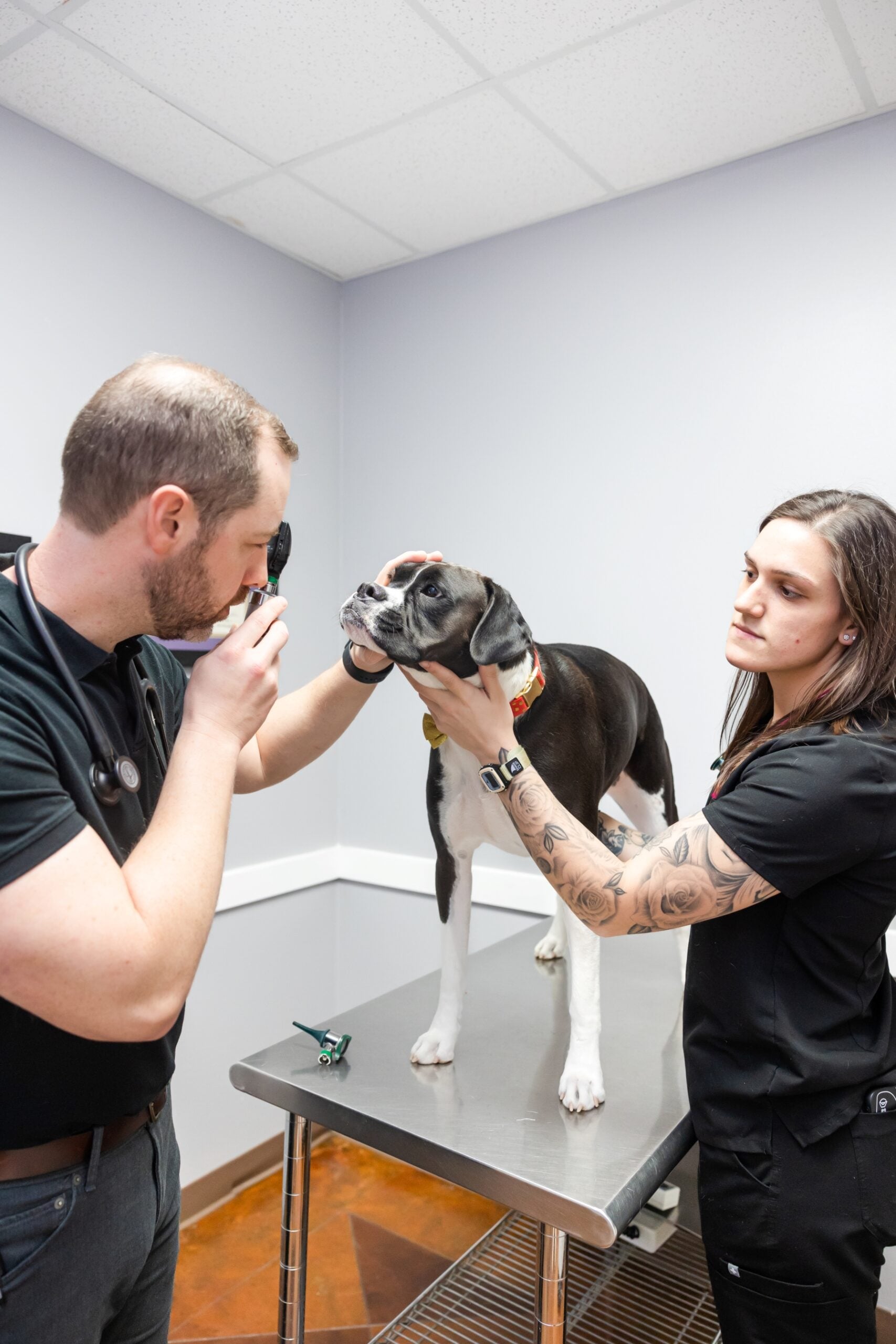
A well-conducted wellness exam blends objective measurements with subjective observations. The veterinarian will usually start with a careful physical assessment that includes weighing your pet, checking vital signs, and listening to the heart and lungs. They look at coat and skin, teeth and gums, eyes and ears, and the joints that hold everything together. The goal is to uncover early indicators of disease, simple patterns that might not be obvious at home, and any factors that could influence behavior or comfort.
Beyond the physical, a wellness exam is also a moment to explore the daily routine. Nutrition, exercise, sleep, dental care, and mental stimulation all contribute to health outcomes. When Prairieville Animal Hospital staff talk with you about these elements, they’re not assigning blame or micromanaging your life. They are gathering context that helps tailor recommendations to your pet’s needs and your family’s resources.
The conversation often extends to preventive care. Vaccinations for pets, parasite prevention, and guidance on spay and neuter when appropriate are common discussion points. If your dog needs a microchip or your cat requires a dental consult, the appointment can set expectations and timelines for these steps. For many guardians, that planning phase is as important as the exam itself because it translates into practical, scalable care.
The value of a well-timed wellness exam
There is a practical value to these visits that goes beyond catching an illness early. Regular checkups create a medical narrative for your pet. Trends in weight, appetite, social behavior, or activity level become data points that inform future decisions. If a pet is aging, the exam becomes a map of how quickly to adjust nutrition, activity, or dental care. If a young pet is growing rapidly, it helps the team anticipate vaccines, spay and neuter timing, and the transition to a more check this out autonomous care routine.
From the client side, the real benefit is predictability. You know what to expect, what steps are coming, and how to budget for care across the year. The staff at Prairieville Animal Hospital understand that a well-run clinic experience matters just as much as the medical outcome. They aim for clear explanations, practical next steps, and a plan you can execute without needing a medical degree to decipher the jargon.
Preparing for a wellness visit at Prairieville Animal Hospital
Preparation matters because it reduces stress for the animal and the owner, and it improves the quality of information the vet can gather. If you have a long-term chronic condition or a recent change in your pet’s behavior, note it down before the appointment. Jotting down a few concrete examples—when the issue started, whether it worsened after certain activities, and any remedies you’ve tried—helps the veterinarian pinpoint what’s happening.
If you are bringing more than one pet or your pet is anxious, you may want to arrive a little early to acclimate. A calm environment helps minimize stress responses that can complicate an exam, especially for cats or shy dogs. The Prairieville team is practiced at working with nervous pets; having a plan in place can make the conversation more efficient and more accurate.
The practical side of preparation includes scheduling decisions and the logistics of the visit. Recognize that vaccinations and dental cleanings may require a separate appointment or a surgical suite setting if anesthesia is involved. Planning around these possibilities helps avoid surprises and keeps your calendar aligned with veterinary recommendations. A typical wellness exam in one visit covers the core components, but the team will explain if any ancillary services are advisable or necessary.
What to bring to your pet wellness exam
Paperwork and records create a trajectory for understanding your pet’s health history. The idea is to give the veterinarian a complete context, so they can spot subtle shifts that might escape memory in the moment. At Prairieville Animal Hospital, this information is valued as a foundation for accurate assessment and thoughtful recommendations.
Documentation is particularly important if your pet has seen multiple clinics, specialists, or if you are managing chronic health issues. A concise history from the current caregiver helps prevent gaps in reporting. If there is a vaccination history from another clinic, bringing that record ensures the team has a reliable baseline and can avoid unnecessary duplication.
In addition to records, practical items help smooth the visit. A few well-chosen questions you want answered by the veterinarian can anchor the conversation. If your pet is on medications, listing each one with dosage and frequency supports the pharmacist’s review and avoids miscommunication. Finally, if you have any special concerns about behavior, mobility, or comfort, a note to the front desk can cue the team to allocate time for those topics.
Two lists to help you prepare without overwhelming you
What to bring to the clinic
- A copy of vaccination records from Prairieville Animal Hospital or another clinic
- A current medication list with dose and frequency
- A brief history of notable health events since the last visit
- Your own contact information, including a reliable callback number
- A list of questions you want the veterinarian to address
What to consider asking during the appointment
- How does my pet’s weight compare to the recommended range for their age and breed
- Are there early signs of dental disease or gum issues that I should monitor at home
- What vaccines or parasite prevention is appropriate for this season and lifestyle
- Do you recommend any lifestyle changes, such as diet adjustments or activity tweaks
- When should we schedule the next wellness check or a follow-up on any concerns
Note that these lists are designed to be practical and to the point. The goal is to equip you with a succinct pack of information you can bring and a set of questions that address your concerns without turning the visit into a maze. If your pet has a complex medical history, you may want to add specific items to the list, but keep the format simple so nothing gets overlooked.
During the exam, the care team at Prairieville Animal Hospital often blends observation with gentle assessment. The veterinarian will measure vital signs, listen to the heart and lungs, and check the pet’s mouth and teeth. They look for skin or coat changes, signs of pain or stiffness, and any indicators of discomfort in movement. A routine exam might also include a quick ear check and a careful look at the eyes for clarity and reflectiveness. If something looks off, they explain the concern in plain language and outline the next steps.
The role of the caregiver in the wellness exam
Caregivers are not passive observers during a wellness exam. Your knowledge about your pet’s typical daytime behavior and eating patterns is essential. Animals can hide symptoms when stressed, so your input acts as a diagnostic countercheck. For example, a dog who slows down on walks or a cat who stops using the litter box may indicate a musculoskeletal issue, dental discomfort, or an emotional stressor. By sharing specifics, you give the vet a narrative to compare with clinical findings.
A thoughtful exam at Prairieville Animal Hospital often leads to a concrete plan. This could involve setting up dental care, scheduling a vaccination update, or arranging a parasite prevention program tailored to your pet’s environment. If there is no urgent issue, the conversation can still yield a forward-looking health strategy, with milestones for recheck appointments and reminders. The aim is to create a sustainable routine, not a single moment of intervention.
Edge cases and practical realities
Not every wellness visit progresses in a straight line. Some pets arrive stressed and then relax as the room grows familiar. Others may have contraindications for specific procedures, such as dental radiographs or anesthesia needs for dental work. In rural or suburban settings, access considerations matter too. Prairieville Animal Hospital recognizes that families juggle work schedules, school, and other commitments. The clinic strives to offer flexibility, with options for early morning or late afternoon appointments when possible, and clear communication about what can be accomplished in each visit.
Another nuance is the balance between preventive care and quality of life. For aging pets, the exam may emphasize pain control, mobility support, and nutritional adjustments that preserve independence. For younger animals, the focus often shifts toward immunization schedules, growth monitoring, and early detection of congenital concerns. The veterinarian’s approach adapts to the pet’s life stage, with a shared aim of long-term well-being.
What happens after the wellness exam
After the exam, you will receive a summary of findings and a plan of care. This may include recommendations for vaccines, dental cleaning, or a schedule for a recheck visit. If any tests are warranted, the team explains the purpose, the expected timeline, and the cost implications. The clinic tends to present options with practical trade-offs so you can choose a path that fits your goals and budget. You leave with a clear outline of what to watch for at home, how to administer medications if needed, and when to return for the next checkup.
Maintaining continuity of care is a core value at Prairieville Animal Hospital. The team often follows up with a brief check-in or reminder about upcoming appointments, vaccines, or preventive care needs. This not only keeps care on track but also reinforces the relationship between the family and the veterinary team. Over time, this continuity becomes a reliable, reassuring anchor for the animal’s health trajectory.
A note on records and digital access
Modern clinics increasingly rely on digital records to improve accuracy and accessibility. If Prairieville Animal Hospital offers online access to vaccination records, test results, and visit summaries, you may find it helpful to review these documents after the appointment. Digital records can make it easier to share information with specialists or a different veterinary clinic if you relocate or seek a second opinion. The practical upside is less guesswork and a single source of truth for your pet’s health history.
In practice, most guardians who engage with this system report that having a centralized record reduces the anxiety that comes with administrative miscommunications. It also makes subsequent visits smoother because the veterinarian can pull up the most recent data and tailor recommendations accordingly. The goal is clarity, not bureaucracy. When you can access the vital history with a few taps, you feel more confident about the care plan and the steps ahead.
Conclusion: turning an exam into a reliable health habit
A well-executed wellness exam is not a one-off event. It is a doorway to a reliable, predictable health routine that respects your pet’s natural pace and your family’s rhythms. Prairieville Animal Hospital’s approach to pet wellness exams emphasizes clear communication, practical next steps, and a collaborative spirit. The most valuable outcome is a plan you can follow with confidence, along with a clear understanding of why each element matters.
If you prepare thoughtfully, the actual visit becomes less about checking boxes and more about aligning on a shared vision of health. Bring the vaccination records and medication list, bring your questions, and bring the day-to-day observations that only you can provide. Expect the veterinarian to listen, to explain in plain terms, and to offer options that fit your pet’s life stage and your household realities. That combination—experienced staff, patient listening, and practical guidance—transforms a routine wellness exam into a durable investment in your pet’s longevity.
A final reminder from Prairieville Animal Hospital: health care is a partnership. The team can guide you through vaccines for pets, dental care, and even the path to spay and neuter when appropriate. But the final decisions belong to you, shaped by honest information, a calm assessment, and a plan that makes sense in real life. This is how a wellness exam becomes a reliable catalyst for ongoing well-being, not a singular moment of intervention.